Communal Area Cleaning in Brompton
If you manage, live in, or look after a shared property in the Brompton area, keeping communal spaces clean is more than a matter of appearance. It affects comfort, hygiene, safety, and the overall impression people get the moment they step through the front door. Our Communal area Cleaning in Brompton service is designed for residential blocks, converted townhouses, mansion-style flats, mixed-use buildings, and managed developments that need reliable, regular attention from a local team.
Shared hallways, staircases, lifts, entryways, mail areas, bin stores, and landings can quickly collect dust, marks, litter, cobwebs, and everyday grime. In places like Brompton, where many buildings have character features, narrow access points, shared entrances, and a mix of older and newer property layouts, a careful, consistent cleaning routine makes a real difference. We focus on practical, dependable service for residents, landlords, managing agents, and building managers who want common areas kept presentable without hassle.
Whether your property sits near busy roads with extra foot traffic, is tucked away on a quieter residential street, or includes shared access between multiple homes or offices, a well-planned communal cleaning schedule helps everyone benefit. It reduces complaints, supports hygiene, and helps protect flooring, handrails, fixtures, and paintwork from avoidable wear. If you are looking for communal area cleaning Brompton residents and property managers can trust, this page explains what is included, how it works, and why a local team is often the best choice.
Why communal cleaning matters in Brompton

Communal areas are the parts of a building most people use every day, yet they are often the hardest to keep in good condition because everyone passes through them. In Brompton, where properties can range from elegant period conversions to modern apartment blocks and mixed residential developments, these spaces may see a constant flow of people, deliveries, visitors, and maintenance staff. That movement brings in dust, mud, leaves, and general debris, especially during wet weather or busy weeks.
A clean shared space gives a better first impression for residents and visitors alike. It also helps create a calmer, more respectful environment in buildings where many households share the same entrance, stairwell, and circulation areas. When hallways are dusty, bin rooms are neglected, or lift lobbies are sticky and marked, it can quickly affect how people feel about the property as a whole. By contrast, a tidy communal environment supports pride in the building and can make day-to-day living more pleasant for everyone.
Brompton properties often have details that need a gentler touch: decorative bannisters, tiled floors, stone steps, glass panels, older skirting boards, and shared surfaces that show marks easily. That is why communal cleaning needs to be done with care, not just speed. A reliable local team will understand the layout of common areas, the right products for different surfaces, and the importance of cleaning without disturbing residents or causing unnecessary disruption.
Who needs this service?
Our communal cleaning service is suitable for a wide range of property types and decision-makers. It is especially useful where a building has shared access and where residents expect common areas to be maintained regularly rather than cleaned only when a problem becomes obvious. In Brompton, that can include a mix of smaller converted properties and larger managed blocks.
Typical customers include:
- Freeholders and leaseholders managing a shared block
- Managing agents and property managers
- Landlords with multi-occupancy properties
- Resident management companies
- Housing associations and portfolio managers
- Commercial premises with shared customer or staff areas
We also support buildings where the communal spaces are used by both residents and commercial tenants. This can include entrances leading to upper-floor offices, mixed-use developments with shared lobbies, or apartment buildings with bin storage and cycle areas that need regular maintenance. The service can be tailored to the building’s routine, occupancy levels, and access arrangements.
Shared areas we commonly clean
Every property is different, but most communal area cleaning visits focus on the spaces people touch and walk through most often. Keeping those areas fresh and hygienic improves the entire property experience.
Common areas may include:
- Entrance lobbies and reception-style areas
- Hallways and corridors
- Staircases, stair rails, and balustrades
- Lifts and lift doors
- Door handles, push plates, and switch plates
- Mailboxes and parcel landing areas
- Bin stores and waste collection points
- Cycle storage entrances and access routes
- Internal glass panels and visible partitions
- Shared landings, foyers, and waiting areas
For buildings with additional requirements, we can also discuss periodic attention to higher dust areas, skirting, window ledges, and other touchpoints that benefit from more regular care. The goal is to keep the whole shared environment looking neat and well maintained, not just the most visible part.
What is included in communal area cleaning

A good communal cleaning service should be practical, consistent, and clear about what is covered. Our approach is built around the day-to-day needs of shared buildings in Brompton, with a focus on routine upkeep that prevents small issues from building into bigger complaints. We can clean at frequencies that suit the property, whether that means a weekly visit, several visits a week, or a bespoke schedule.
The exact specification depends on your building, but a typical visit may include dusting, vacuuming, mopping, wiping down touchpoints, and removing visible litter or debris from shared routes. Where suitable, we can also help maintain a more hygienic environment by paying close attention to high-contact surfaces and problem areas that collect marks quickly.
Common tasks may include:
- Sweeping, vacuuming, and mopping floors
- Cleaning entrance mats and nearby floor edges
- Wiping down handrails, banisters, and ledges
- Removing dust from skirting boards and low-level surfaces
- Cleaning glass doors and internal panels
- Wiping lift buttons, frames, and contact points
- Emptying shared waste bins where agreed
- Spot cleaning marks on walls or doors where appropriate
- Light cobweb removal from corners and ceilings where accessible
- Checking visible areas for litter, leaves, or residue
Attention to detail matters
Communal area Cleaning in Brompton is not just about making floors look clean. It is about keeping the building pleasant to use and helping reduce the everyday build-up that can make a property feel neglected. Even small details, such as fingerprints on doors or dust along the edges of stair treads, can make a noticeable difference when they are dealt with consistently.
Where appropriate, we can also work from a cleaning specification agreed in advance so that everyone involved understands the expected standard. That clarity is helpful for property managers, leaseholders, and resident groups who want dependable service and a straightforward routine.
Why a local Brompton team is useful
Choosing a local cleaning team is about more than geography. A team that regularly works in Brompton will better understand the practical realities of the area, including parking pressure, access restrictions, resident schedules, and the variety of building layouts found in and around the neighbourhood. That local familiarity can make service more efficient and less disruptive.
In Brompton, access can sometimes be tight, especially in older buildings or converted properties where entrances are shared and storage space is limited. Some blocks have narrow internal staircases, compact lifts, secure entry systems, or little room for equipment to be brought in and out. A local team is more likely to arrive prepared with the right kit and a realistic plan for getting the job done without unnecessary inconvenience.
There is also value in having cleaners who understand the needs of different streets and property styles nearby, including areas close to South Kensington, Knightsbridge, Chelsea, and the surrounding residential pockets. For many customers, the service needs to fit around residents coming and going, deliveries, and building management arrangements. A dependable local presence can help make that easier.
How the service works
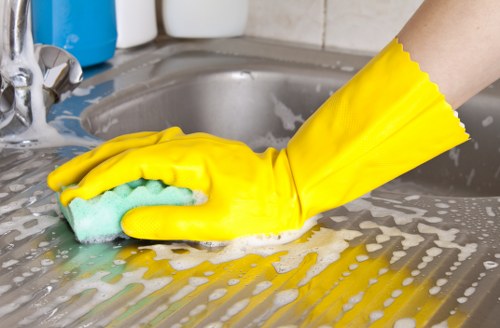
Our process is straightforward and designed to make communal cleaning simple for customers. We start by understanding the building, the areas that need attention, how often they should be cleaned, and any access arrangements that need to be respected. That could include entry codes, keyholding arrangements, timed access windows, or instructions for avoiding disruption at certain times of day.
Once the service specification is agreed, the cleaning routine can be scheduled around the needs of the property. Some buildings need early morning visits before residents are up and about, while others are better suited to daytime or evening attendance. The aim is to provide a consistent, unobtrusive service that fits the building rather than forcing the building to fit the service.
A typical process may look like this:
- Assess the communal areas and identify key cleaning requirements
- Agree on frequency, access, and scope of work
- Set a cleaning plan for the building’s routines and foot traffic
- Carry out cleaning visits at the agreed times
- Review the arrangement periodically and adjust if needed
Built around real building needs
Some properties need more frequent touchpoint cleaning during busy periods, while others need a stronger focus on dust control, stair care, or bin area hygiene. The service can be adapted to seasonal issues as well, such as wet-weather mud, autumn leaves, or increased debris during holiday and move-in periods. That flexibility helps keep standards steady throughout the year.
If your building has residents with different routines, children, older occupants, or frequent visitors, a well-planned communal cleaning schedule can reduce complaints and keep shared spaces from becoming a source of frustration. Book your service now if you want a cleaner, more manageable communal environment.
Local property types and practical access challenges
Brompton includes a variety of properties, and each one brings its own cleaning considerations. Period buildings may have ornate interiors, narrow staircases, and materials that require careful handling. Converted townhouses might have multiple landings and shared hallways that trap dust. Modern apartment buildings may be more straightforward in layout but still need regular attention to lifts, entry glazing, and bin stores.
Access and parking can also be challenging in this part of London. That matters because a cleaning team needs to arrive on time, bring the right equipment, and work efficiently without adding to congestion or creating issues for residents and neighbours. When a cleaner is familiar with the local area, they are better prepared for these realities and can plan a visit that respects the building’s constraints.
In some buildings, storage for cleaning materials is limited, so efficient planning matters. In others, there may be shared service cupboards, porter arrangements, or permission requirements that need to be coordinated. A good communal cleaning provider understands that local service is not just about washing floors; it is about working around the property’s practical setup while keeping things tidy and professional.
Benefits for residents, landlords, and managing agents
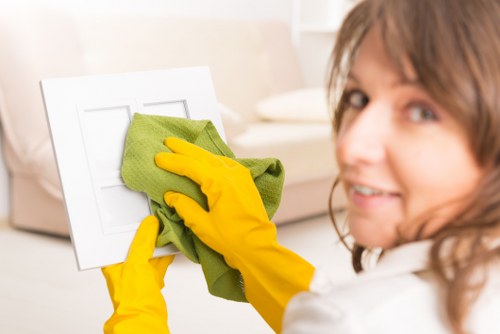
One of the main reasons people arrange communal area cleaning is to reduce the everyday issues that build up in shared buildings. Residents want a clean, pleasant place to come home to. Landlords and managing agents want the building to reflect well on the property and remain easier to manage. Everyone benefits when the shared spaces are looked after properly and on a regular basis.
Key benefits include:
- A more welcoming entrance and better first impressions
- Reduced build-up of dust, dirt, and litter
- Better hygiene on shared contact points
- Less complaint handling for property managers
- Improved care of flooring, paintwork, and fixtures
- More consistent standards across the building
- A tidier environment for residents and visitors
For managing agents, a regular cleaning schedule can also support smoother building oversight. Shared spaces that are cleaned consistently are easier to monitor and less likely to generate avoidable issues. That can be especially valuable in busy buildings where many people use the same access points each day.
For leaseholders and resident committees, it provides reassurance that the common parts are being maintained by someone who understands the importance of detail and communication. A dependable service can help reduce friction and support a more comfortable shared living environment.
What to expect from a professional cleaning standard
Professional communal cleaning should feel consistent. That means the same care each visit, the same attention to high-use points, and the same respect for the building. It also means working in a way that is suitable for shared living, where residents may be asleep, working from home, or moving through the building at different times of day.
We aim to clean in a way that is neat, efficient, and unobtrusive. Surfaces should be left clear, floors should be safe to walk on after cleaning, and the common areas should look fresher without strong disruption. The approach should be practical enough for everyday maintenance yet detailed enough to make a visible difference.
When needed, a service can also account for seasonal changes and building usage patterns. For example, winter brings more wet foot traffic, while spring and autumn can increase dust, leaves, and debris. In a building with heavy resident turnover or multiple visitors, common areas may need extra focus on entrances, letterboxes, and hand contact points.
What makes a reliable standard?
A reliable service is one that is easy to understand and easy to maintain. It does not rely on guesswork or inconsistent visits. Instead, it uses a clear routine and a sensible specification so that building managers know what is being done and residents can see the difference.
Signs of a strong service standard:
- Consistent attendance at agreed times
- Clear scope of work
- Attention to high-touch surfaces
- Respect for residents and access rules
- Ability to adapt to the building’s needs
If you need communal area cleaning Brompton properties can rely on, consistency is one of the most important things to look for. It keeps the building manageable and helps the common areas stay presentable over time.
Pricing factors and what affects the quote

Because every building is different, the cost of communal cleaning is usually shaped by a few practical factors rather than a one-size-fits-all rate. The right approach is to assess the building, understand what needs to be cleaned, and agree a schedule that matches the level of use. That way, customers only pay for the service their property actually needs.
Factors that can affect pricing include:
- The size of the communal area
- The number of floors, stairs, and landings
- How often the cleaning is required
- Whether lifts, bin rooms, or extra shared areas are included
- The condition of the property and level of build-up
- Access requirements and timing restrictions
- Any special materials or surfaces needing extra care
For some buildings, a straightforward weekly clean may be enough to maintain standards. Others may need more frequent attention because of heavy foot traffic, larger resident numbers, or extra common facilities. The best way to move forward is to request a quote based on your building’s actual layout and usage, rather than guessing from a generic package.
Request a free quote if you would like a tailored arrangement for your property. A clear cleaning specification helps ensure the quotation is relevant, practical, and easy to compare with your building’s needs.
Preparation checklist for a smooth visit
Most communal cleaning visits can be carried out with minimal disruption, but a little preparation helps make the service more efficient. If the building has specific access or management procedures, it is useful to have those clearly arranged in advance. This makes it easier for the cleaning team to work quickly and safely while respecting residents’ routines.
Useful preparation steps may include:
- Confirming access details, codes, or key arrangements
- Removing bulky items or obstacles from shared walkways
- Noting any sensitive surfaces or areas to avoid
- Advising residents if cleaning is scheduled at a new time
- Highlighting any current issues such as spills, damage, or overflowing bins
It is also helpful to let residents know what kind of service to expect so they understand when the cleaning occurs and which spaces are covered. For managed buildings, a clear plan helps reduce confusion and keeps the arrangement easy to maintain. If you have unusual access conditions, a local team can work with you to build a routine that fits the property.
Areas covered around Brompton
We focus on Brompton and the surrounding nearby neighbourhoods where shared residential and commercial buildings often need regular communal care. This includes streets and property clusters that connect naturally with the Brompton area, as well as nearby districts where access patterns and building types are similar.
Nearby and commonly served areas may include:
- South Kensington
- Knightsbridge
- Chelsea
- Earls Court
- West Brompton
- Gloucester Road surroundings
Because many of these areas include a mix of mansion blocks, converted houses, boutique developments, and managed apartments, it is important to use a cleaning team that understands different property layouts and the practicalities of working in central London. A local service is often the most efficient option for regular shared-area upkeep.
Frequently asked questions
Below are some common questions from people looking into communal cleaning for shared buildings in Brompton. These answers are designed to help you decide whether the service is suitable for your property and what to expect from the arrangement.
How often should communal areas be cleaned?
It depends on how many people use the building and how quickly dirt builds up. Smaller blocks may only need weekly cleaning, while busier developments often benefit from more frequent visits. Factors like weather, foot traffic, and bin storage can also affect the schedule.
Can the cleaning be done outside normal working hours?
Yes, where access and building rules allow it, cleaning can often be arranged to suit residents and managers. Many properties prefer times that avoid peak movement in the entrance and stairwells.
Do you clean lifts and touchpoints?
Yes, lift interiors, buttons, doors, and other high-contact surfaces are often included as part of a communal cleaning specification. This is especially important in shared buildings where many people use the same spaces each day.
Can the service include bin areas?
In many buildings, bin stores or waste collection points can be included as part of the agreed cleaning schedule. These areas often need regular attention because they can quickly affect the smell and appearance of the wider property.
What if our building has older surfaces or delicate finishes?
That is very common in Brompton. Older staircases, stone steps, decorative woodwork, and original finishes should be treated carefully. A professional approach should use suitable products and methods so the cleaning improves the area without causing damage.
Can the service be tailored for mixed-use buildings?
Yes. Mixed-use buildings often need a slightly different routine because there may be both residential and commercial traffic. Cleaning can be adjusted so shared entrances, corridors, and other common spaces stay presentable for all users.
Choose a practical, local service for shared spaces
When communal areas are looked after properly, the whole building feels more organised, safer, and easier to live in. That matters in Brompton, where properties often have character, shared entrances, and residents with busy lifestyles. A well-planned cleaning service can help reduce daily frustrations and keep the shared environment at a standard people are happy to come home to.
If you are responsible for a block of flats, a converted building, a managed residence, or a mixed-use property, now is a good time to review whether the current cleaning routine is doing enough. If the hallways are losing their freshness too quickly, if residents are noticing marks and dust, or if bin areas are becoming a recurring issue, a more consistent service may be the answer.
Contact us today to discuss your building’s needs, or book your service now if you are ready to arrange regular communal cleaning in Brompton. A simple, tailored approach can make a noticeable difference to the spaces people use every day.
Communal area Cleaning in Brompton should feel reliable, practical, and suited to the building it serves. With the right routine in place, shared spaces stay cleaner for longer, residents enjoy a better environment, and property managers have one less issue to worry about.