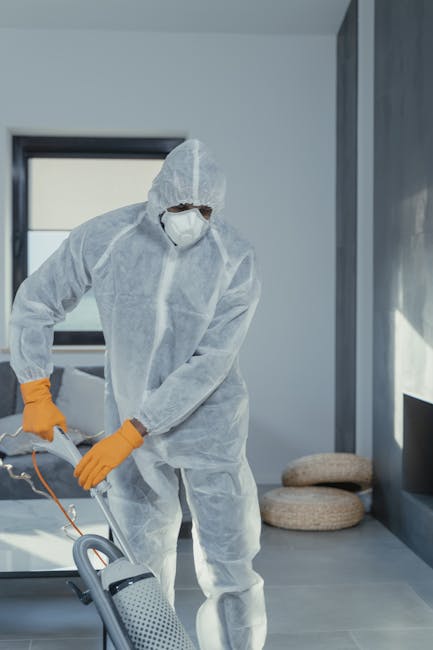
Same day cleaning Brompton for urgent stains
Spills rarely choose a convenient moment. A glass of red wine tips over just before guests arrive. Coffee splashes across a pale rug on a Monday morning. A pet accident lands on the hallway runner when you are already late. That is exactly where same day cleaning Brompton for urgent stains becomes more than a nice-to-have; it is the difference between a minor mishap and a much bigger headache.
If you live or work in Brompton, the pace is often brisk and the spaces are well used, whether it is a flat near busy streets, a townhouse reception room, or a small office that sees a lot of footfall. In those moments, speed matters, but so does doing the job properly. Rushing in with the wrong product can make the mark worse, set the stain deeper, or leave a tide line that shows up later. Not ideal. This guide explains how urgent stain cleaning works, what to expect, when it makes sense, and how to improve the odds of getting a proper result on the day.
For broader cleaning support around the home, some readers also look at one-off cleaning or even more targeted help such as stain removal when the issue is localised and time-sensitive.
Table of Contents
- Why Same day cleaning Brompton for urgent stains Matters
- How Same day cleaning Brompton for urgent stains Works
- Key Benefits and Practical Advantages
- Who This Is For and When It Makes Sense
- Step-by-Step Guidance
- Expert Tips for Better Results
- Common Mistakes to Avoid
- Tools, Resources and Recommendations
- Law, Compliance, Standards, or Best Practice
- Options, Methods, or Comparison Table
- Case Study or Real-World Example
- Practical Checklist
- Conclusion
- Frequently Asked Questions
Why Same day cleaning Brompton for urgent stains Matters
Urgent stains are not just cosmetic. If a spill sits too long, it can penetrate fibres, spread under the surface, or react with the material in ways that make later cleaning harder. Tea on a cream carpet, tomato sauce on an upholstered chair, ink on a sofa, or muddy marks on hard flooring all behave differently. That is the big point: the clock starts immediately.
Same day cleaning matters because it reduces dwell time. Dwell time is simply how long a stain has been left to sit. The longer it sits, the more likely it is to bond with the material. On carpets and upholstery, that can mean permanent discolouration. On natural stone or wood, it can mean a stain that travels into the grain or the porous surface. In a Brompton home, where many properties have mixed finishes and character materials, that can get tricky fast.
There is also the practical side. If you are preparing for visitors, end of tenancy inspections, a property viewing, or a meeting in a client-facing space, a visible mark can change how the room feels. A fresh stain often draws the eye straight away. You notice it. Everyone notices it. Truth be told, that little blotch can dominate the whole room, even when the rest is spotless.
There is a reassurance factor too. Fast intervention often prevents panic cleaning. People tend to reach for whatever is nearest, which is understandable, but not always wise. Same day support gives you a better chance of using the right method quickly, rather than scrubbing away and hoping for the best. Let's face it, hope is not a stain-removal strategy.
How Same day cleaning Brompton for urgent stains Works
Same day cleaning usually begins with a quick assessment, either by phone, message, or a short arrival inspection. The cleaner or technician will want to know what caused the stain, what surface it is on, how long it has been there, and whether anything has already been applied. That last point is important. A stain can change after an initial DIY attempt, especially if detergent, bleach, or hot water has been used.
From there, the approach is tailored to the material and the contaminant. A wine spill on wool carpet is handled very differently from grease on a kitchen chair or a pet accident on synthetic upholstery. The best providers do not treat all stains as identical, because they are not. Some marks can be lifted with targeted spot treatment. Others need a broader clean to blend the area and avoid a visible patch.
In many cases, same day cleaning is a focused visit rather than a full-property deep clean. That means the priority is the stained area, surrounding fibres, and any secondary damage such as odour, spread, or watermarking. If the job is more complex, a good cleaner will say so plainly. That honesty saves everyone time.
A typical same day response may include:
- identifying the stain type and the fabric or surface involved
- testing a small, hidden area first where appropriate
- pre-treating the stain with a suitable product
- using controlled extraction, blotting, or agitation
- neutralising residue where needed
- drying or ventilating the area as far as possible
- checking the result before leaving
If the stain sits on upholstery, related services like upholstery cleaning or sofa cleaning may be the better route, especially when the mark has spread or the fabric needs more than spot treatment. For carpet-related problems, carpet cleaning and steam carpet cleaning are often considered depending on fibre type and soil level.
Key Benefits and Practical Advantages
The obvious benefit is speed. But there is a bit more to it than that.
1. Better chance of stain recovery. Fresh stains are usually easier to lift than older ones. Acting quickly can stop a spill setting in, especially on absorbent materials.
2. Less risk of spreading. When people scrub hard at home, the mark often widens. A professional approach aims to lift or draw out the stain, not smear it.
3. Reduced odour. This matters with food spills, drinks, pet accidents, and anything organic. The visible stain might be gone but the smell lingers if residue remains.
4. More suitable products and methods. Different fabrics and surfaces need different treatments. A pro is more likely to pick the right approach first time, which is a relief.
5. Less disruption. Same day support can fit around work, school runs, guests, or a landlord inspection without dragging the issue out for days.
6. Better presentation. In a home, it helps you feel calm again. In a rental or commercial setting, it helps maintain the right standard for the next person walking in.
There is another advantage that is easy to underestimate: confidence. Once the stain is being dealt with properly, the whole situation feels more manageable. That sounds small, but anyone who has stood in a hallway at 8pm with a roll of kitchen towel knows it is not small at all.
Who This Is For and When It Makes Sense
Same day cleaning Brompton for urgent stains is a good fit for people who need a practical response, not a vague promise for sometime next week. It is especially useful for:
- homeowners dealing with sudden spillages on carpets, rugs, curtains, or sofas
- tenants who want to avoid stain damage before checkout or inventory review
- landlords preparing a property for viewings or new occupants
- airbnb hosts dealing with turnover pressure and visible marks
- offices and small businesses where presentation matters
- parents and pet owners who need fast help after everyday accidents
- anyone with delicate, expensive, or sentimental soft furnishings
It makes sense when the stain is fresh, visible, and time-sensitive. It also makes sense when you are unsure what the stain actually is. That uncertainty is common. Coffee and cola can look similar after a few minutes. Grease can hide in pile. Red wine can disguise itself as a darker patch until the fabric dries. Oddly enough, the mystery is often part of the stress.
It may be less suitable if the damage is structural, very old, or spread across a large area. In those cases, you may need a broader service such as deep cleaning, one-off cleaning, or a specialist approach for the material involved.
Step-by-Step Guidance
If you are facing a fresh stain and want the best possible result, a calm, simple sequence helps. No heroic scrubbing. No panic. Just a sensible process.
- Act quickly but do not rub aggressively. Blot liquids with clean paper towel or a white cloth. Press gently. Keep turning to a clean section.
- Identify the surface. Carpet, wool rug, synthetic upholstery, leather-look seating, hard floor, curtain fabric, and wood all need different handling.
- Note what caused the stain. Food, drink, ink, cosmetics, oil, mud, pet mess, and paint each need different treatment. If you do not know, say so.
- Avoid random chemicals. Bleach, vinegar, washing-up liquid, and stain sprays can be helpful in some cases, but harmful in others. Mixed together? Worse. Much worse.
- Keep the area as dry and still as possible. Do not oversoak. That can spread the stain and damage underlay or padding.
- Arrange a same day visit or guidance. The sooner a professional sees the stain, the better the chance of a clean finish.
- Ask what the cleaner needs to know. Good teams will ask questions about access, fabric type, previous treatments, and whether ventilation is possible.
- Follow drying guidance after treatment. Open windows if advised, keep pets off the area, and avoid replacing rugs or cushions too soon.
A small but useful habit: take a photo of the stain before you touch it. It helps the cleaner see what changed after blotting and can be useful if you are comparing options. Not glamorous, but practical. Very practical.
Expert Tips for Better Results
Here is where the little details matter. In our experience, the best outcomes often come from simple discipline rather than dramatic products.
Use white cloths, not coloured towels. Coloured fabric can transfer dye, especially when damp. White cloths also make it easier to see whether the stain is lifting.
Work from the outside in. If you are blotting a liquid mark, start around the edge and move toward the centre. That helps stop the stain spreading.
Test first on sensitive materials. Wool, silk, velvet, and some dyed fabrics can react badly to even mild cleaners. A discreet test spot is worth the minute it takes.
Do not over-wet the area. Too much liquid pushes contamination deeper and can leave rings behind. Gentle and controlled beats "more is better" every time.
Ventilation helps. Fresh air speeds drying and reduces odour build-up. A slightly open window can make a surprising difference, especially in compact Brompton flats where moisture lingers.
Tell the cleaner what has already been used. Even if the answer is "three different sprays and a bit of fairy liquid", say it. No judgement. It just helps prevent a clash of products.
Ask about fabric protection after the clean. It is not always necessary, but in some homes or busy spaces, a protective treatment may reduce future staining risk. That said, it is a decision to weigh carefully, not an automatic add-on.
One more thing. If a stain lightens but does not fully disappear on the first pass, that does not always mean failure. Some marks need staged treatment to avoid damaging the material. Patience can be part of the process. A bit annoying, yes. Still better than a scorch mark or a flattened patch.
Common Mistakes to Avoid
Most stain disasters are made worse by well-meant effort. That sounds harsh, but it is usually true.
- Scrubbing instead of blotting. Scrubbing drives the stain deeper and roughens the surface.
- Using hot water too soon. Heat can set certain stains, especially protein-based spills and some dyes.
- Mixing chemicals. This can damage fibres and leave residues that attract dirt later.
- Leaving the spill to "air dry" without treatment. That often gives the stain time to settle in.
- Overusing stain removers. More product does not equal better cleaning.
- Hiding the problem under a rug or cushion. It may look fine for ten minutes. Then the smell, ring, or transfer appears again. Sneaky little thing.
- Ignoring the material type. A method that works on synthetic carpet may not be safe for natural fibres or upholstery.
One very common mistake is trying to fix an old stain with a same day mindset but DIY methods. If the mark has already dried, set, or changed colour, the wrong product can lock it in. At that stage, speed still matters, but so does judgment. Sometimes the most efficient choice is to stop and call for proper help rather than "having one last go".
Tools, Resources and Recommendations
You do not need a cupboard full of specialist kit to handle an urgent stain properly, but a few sensible items help before the cleaner arrives.
- clean white cloths or unprinted paper towels
- a spoon or blunt edge for lifting solids gently
- a vacuum for dry debris, if the stain is on carpet or upholstery
- mild, fabric-appropriate cleaning products only if you know they are safe
- good lighting so you can see the full extent of the mark
- access to water and ventilation if advised
On the service side, Brompton residents often compare wider cleaning options when the stain is part of a bigger job. For example, if the spill happened during a move, move-out cleaning or end of tenancy cleaning may be relevant. If it is in a workspace, office cleaning or commercial cleaning may give a more complete solution. For food-related messes in kitchens, oven cleaning can sometimes sit alongside stain work where grease and splatter are part of the picture.
If you are comparing providers, look for clear communication, sensible expectations, and a willingness to explain limitations. A good cleaner will not promise magic. They will explain what is likely, what is possible, and what may remain visible after treatment. That honesty is worth a lot.
Law, Compliance, Standards, or Best Practice
For stain cleaning, there is usually no special legal threshold you need to chase, but best practice still matters. Reputable cleaning businesses should work with appropriate safety awareness, use products responsibly, and avoid damaging surfaces or putting occupants at risk. In the UK, that generally means sensible handling of chemicals, attention to ventilation, and care around children, pets, and sensitive materials.
Insurance is another practical concern. If a cleaner is treating valuable carpets, upholstery, or hard flooring, it is reasonable to ask whether they carry suitable cover. You are not being difficult; you are being sensible. A stain job is often simple, but not always. Accidents can happen.
Data privacy is less obvious but still relevant in home and business cleaning. If you book by phone or online, your details should be handled carefully. The same goes for access arrangements and notes about alarms, keyholding, or entry codes. For a local business, clear policies around payments, complaints, and safety can be a good sign that the operation is organised rather than improvised.
Best practice also includes material honesty. If a stain has damaged a fibre, faded a colour, or altered a finish, cleaning may improve appearance without fully restoring the original look. That distinction matters. Good providers will say so plainly instead of overselling the result.
For those who want to understand the business side before booking, pages like insurance and safety, terms and conditions, and health and safety policy can help set expectations. If you are checking how costs are presented, pricing and quotes is also useful.
Options, Methods, or Comparison Table
When a stain is urgent, people often wonder whether to do it themselves, book a standard clean, or request a specialist visit. Here is a simple comparison to help you think it through.
| Option | Best for | Pros | Limits |
|---|---|---|---|
| DIY spot cleaning | Very fresh, small stains on durable surfaces | Fast, low cost, can help before a visit | Easy to overdo, may set the stain or spread it |
| Same day stain cleaning | Urgent stains on carpets, upholstery, rugs, or visible home areas | Quick response, targeted treatment, better matching of method to material | May not fully remove old or chemically altered stains |
| General one-off clean | Broader mess across a room or property | Useful when the issue is not just one mark | Less focused on a single urgent stain unless requested |
| Deep clean | Built-up soil, multiple stains, odour, neglected areas | More comprehensive refresh | Not always the fastest solution for a fresh spill |
The right option depends on the surface, the substance, and how quickly you need the result. A fresh coffee splash on a synthetic rug may respond well to a prompt visit. A set-in dye stain on wool carpet is a different story. Same day service is often the sweet spot when time matters, but the job still needs care.
Case Study or Real-World Example
A Brompton resident had guests arriving later the same day when a mug of dark coffee tipped onto a light carpet in the sitting room. The first reaction was the usual one: grab towels, dab hard, panic a bit. The stain had already spread into a wider patch by the time the cleaning request was made.
Instead of adding more water or detergent, the area was left lightly blotted and kept clear. A same day visit focused on identifying the carpet fibre, checking how far the coffee had penetrated, and treating the centre and surrounding edge separately. The result was not instant magic; that is not how real cleaning works. But the mark was reduced enough that it no longer dominated the room, and the remaining discolouration blended much better with the carpet pile.
What made the difference was not brute force. It was speed, restraint, and using the right method for the material. That combination shows up again and again in urgent stain jobs. The tidy ending is satisfying, sure, but the useful part is how it got there.
Practical Checklist
Use this quick checklist if you need help today.
- Identify the stain as best you can.
- Note the time it happened.
- Avoid rubbing hard or using random chemicals.
- Blot gently with a clean white cloth.
- Keep pets and children away from the area.
- Take a photo if useful for explaining the issue.
- Check the surface type: carpet, rug, upholstery, curtain, floor, or wood.
- Ask whether the stain has already been treated.
- Arrange ventilation if it is safe to do so.
- Confirm access details for a same day visit.
- Ask what drying time to expect.
- Request clear advice if full removal is not realistic.
Quick takeaway: The sooner you deal with an urgent stain, the better your chances of recovering the surface cleanly. Stay calm, avoid overhandling, and choose a method that matches the material.
If you are comparing broader home services while you sort the stain out, options such as domestic cleaning, house cleaning, or regular cleaning can help you keep the rest of the property under control too.
Conclusion
Same day cleaning Brompton for urgent stains is about fast action, careful treatment, and realistic expectations. That combination is what gives you the best shot at rescuing carpets, upholstery, rugs, and other surfaces before the mark settles in for good. Whether the problem is a spill before guests arrive, an accident in a rental, or a mess at work, the key is to act early and avoid making the stain harder to treat.
Choose help that understands materials, explains the process clearly, and works with the stain in front of them rather than guessing. If you do that, you are already ahead of the game. And honestly, sometimes just having a plan makes the whole day feel lighter.
Get a free quote today and see how much you can save.
When the pressure drops and the room feels normal again, that small relief can make a surprisingly big difference.
Frequently Asked Questions
Can same day cleaning remove all urgent stains?
Not always. Fresh stains usually have the best chance of being reduced or removed, but older marks, dye transfer, and heat-set stains can be more stubborn. A good cleaner should explain what is realistic before starting.
How quickly should I act after a spill?
As quickly as possible. The first few minutes matter most because liquids can start moving into fibres or porous surfaces straight away. Even if you cannot book immediately, gentle blotting and keeping the area undisturbed helps.
Is same day stain cleaning safe for carpets and sofas?
It can be, provided the method matches the material. Wool, silk, velvet, and delicate upholstery need extra care. A proper assessment is important before any product is used.
What types of stains are most common in Brompton homes?
Food and drink spills, pet accidents, makeup, mud, and general living-room mishaps are very common. In busy homes and rented properties, those everyday incidents tend to happen at the worst possible time.
Should I try DIY cleaning before booking?
Only if you can do it gently and you know the material can handle it. Blotting with a clean white cloth is usually a sensible first step. Heavy scrubbing or random products can make things worse.
How do I know if the stain is on the surface or deeper in the fabric?
If the mark spreads, leaves a ring, or seems to return after drying, it is often deeper than it first appeared. Stains on pile, cushions, or underlay can behave differently from what you see on top.
Can urgent stain cleaning help with odours too?
Often yes, especially if the stain is caused by food, drink, or pets. Odour may linger if residue remains, so treatment usually needs to address both the visible mark and what is left behind.
How long does same day stain cleaning take?
It depends on the stain type, material, and size of the area. A small spot may be quick, while a larger or more delicate job can take longer, especially if testing or staged treatment is needed.
Will cleaning leave the area wet for long?
It should not be soaked, but drying time varies. Ventilation, fibre type, and how much liquid was involved all affect this. You should be told what to expect before the cleaner leaves.
What if the stain has already dried?
It can still sometimes be improved, but the chances of full removal may be lower. That is why booking promptly is useful. Even dried stains may respond well to the right treatment, though not always in one pass.
Is there a difference between stain removal and deep cleaning?
Yes. Stain removal focuses on a specific mark or small area, while deep cleaning is more comprehensive and deals with built-up soil, odour, and general condition across a larger space. Sometimes the two are combined.
What should I tell the cleaner before they arrive?
Tell them what caused the stain, when it happened, what surface it is on, whether you have used anything on it already, and whether there are pets, children, or access issues. A few clear details save a lot of guesswork.